Be yourself; Everyone else is already taken.
— Oscar Wilde.
This is the first post on my new blog. I’m just getting this new blog going, so stay tuned for more. Subscribe below to get notified when I post new updates.
Be yourself; Everyone else is already taken.
— Oscar Wilde.
This is the first post on my new blog. I’m just getting this new blog going, so stay tuned for more. Subscribe below to get notified when I post new updates.
This day in age we do not only have our good old regular identities but we now also possess an online identity. Whether you realize this or not you also have a presence in another world, the World Wide Web. This video will discuss the importance of cyber security, making sure your profiles are private and ensuring you are putting out the best information and image of yourself for your online identity. We will also discuss how to do this all, while being safe with your information.
When I hear the word “death” my stomach tends to drop, and I can feel a sense of darkness and sadness at just the thought of the word death. Death is difficult because it is something that has now been brought onto social media platforms.
Death and Social Media
Death and social media are starting to morph together in more ways than just one. Social media is a playground for any type of user, good users and bad. This feels morbid to even discuss this but social media has brought about new mental health issues as well as new ways to announce the death of someone. In my opinion, social media can bring about negative feelings towards oneself or others. Social media allows for a lot of comparison between how you and your lifestyle are and those of others. We are constantly seeing people on social media, like influencers, living lavish lives and traveling all over the world. Social media also gives people a way to do and say things they normally would not do. Social media has brought about a new wave of bullying, cyberbullying. Cyberbullying has actually caused people to commit suicide. In the article “Bullying, cyberbullying, and Suicide it says “the new non-formal form of peer aggression is cyberbullying, this is also related to suicidal ideation among young adults”.
Source:
https://www.tandfonline.com/doi/abs/10.1080/13811118.2010.494133
Remembering this one today and always #AmyWinehouse #RIP pic.twitter.com/yZii4Wvboy
— Metro Entertainment (@Metro_Ents) July 23, 2019
Entertainment, Metro. “Remembering This One Today and Always #AmyWinehouse #RIP Pic.twitter.com/yZii4Wvboy.” Twitter, Twitter, 23 July 2019, twitter.com/Metro_Ents/status/1153628097176133632.
The next issue regarding death and social media is the ability to take away from the sincerity of the death by posting it on social media. I used this picture of Amy Winehouse tweeted by a fan, remembering her even though they had never met her. Those who comment on posts made by those who have lost a loved one are not actually assisting in their grieving process. It is incredibly easy to type “I am sorry for your loss” it is harder on the other hand though to mean it and to do something about it off-screen. On July, 22 of this past week my Grandmother actually passed away. I could have gone onto Facebook or my Instagram and posted pictures of her and I but I felt like what is the point. None of my family would see the pictures, or be able to communicate with me about it. I felt as if I would almost be asking for attention, it did not feel genuine or right to post about her passing to a ton of people who did not know her. I did not want a ton of people who I myself did not consider close friends of mine or even acquaintances of mine to be involved or invited to comment or talk about my families loss. I feel like people then try to make themselves look better or do something nice that they normally would not do because it is so simple to make a nice comment or remark behind a screen just like it is easy to make a horrible or mean comment behind the screen. I felt and still feel crushed by losing my Grandma Jan. My family and I are still waiting to hear all of the details as she was older and had a cold, we are not sure if she passed from a stroke or a heart attack. Without all of the details, I felt as if I would not be sharing accurate information if I advertised her death without any details. She deserves to be remembered for her life and not just her death, because of this I knew it was my duty to keep her death to myself, my family and if needed find support from friends and my school.
Digital immortality and death also enables you to see how you can protect your digital identity and death policies of different websites and or companies. For example, for a site like Facebook it would depend on who would be the first to report your death to them. In 2015, Facebook announced in a press release that users would be able to name a “legacy” someone who would take over their account after they die. This “legacy contact” or the person responsible for your account will have the ability to memorialize your account and download all of the data for your account.
https://www.facebook.com/help/1506822589577997
In conclusion death is all around even on the internet. We can not escape the concept of death or the dangers of death even if we feel as if we are safe and sound in our homes. We can experience death almost anytime we go online and see someone else’s post or anytime we go onto the news. Social Media has sensitized us as a society to death.

The Age of Online Activism. (2015, April 01). Retrieved from https://thecord.ca/the-age-of-online-activism/
Digital activism versus online activism is an interesting topic. Digital activism or online activism is when people take what they are passionate about to social media. Many activists have taken to online platforms such as Instagram, Twitter, and Facebook, instead of the actual streets to protest.
An amazing example of these online activism movements, normally always including hashtags would be my favorite, the #dresslikeawoman movement. This came about after President Trump was reportedly asking his staff to dress more feminine, or to “dress like women”.
Uniform. #DressLikeAWoman #ParamedicServicesWeek pic.twitter.com/PRAlbRZE8p— Send Paramedics (@Send_Paramedics) May 30, 2019
Social media has became the forefront and new frontier of all things information, and spreading the word faster than it has ever been able to be spread before. “The speed at which information is spread through social media is the main reason why platforms such as Facebook or Twitter have had increasingly large roles in civil society, even fueling revolution” (www.kimgarst.com). According to http://www.kimgarst.com she cites four instances when social media fueled a revolution. The first one she talks about was the Libyan revolution. Social Media aided this movement in the sense that social media became the most reliable form of social media. The second instance was the Arab Spring. In the Spring of 2011, the world was thrown into the chaos of what became known as the Arab Spring through an online frenzy of activity. Over 3 million tweets on Twitter, hundreds of hours of Youtube video, and countless posts on Facebook and blogs told stories of the revolution from citizens who needed to get their voices heard. While the revolution began in Egypt, Twitter was critical in the spreading of revolutionary messages across northern Africa and across the Middle East. Government attempts to cut off cellphone and Internet service only fueled the fire, and increased awareness of the citizens’ plight even further. On the heels of the Arab Spring movement the world next saw the Occupy Wall Street revolution. Occupy Wallstreet was strategies that included impromptu meeting times and locations, and spreading awareness of what was happening during those organized meetings. Without the power of the web and of social media, it would have been impossible to gather so many people in one area so quickly. Finally she introduced the Ukranian Revolution. This was a revolution I had never even heard of. The more I read the more interested I became. This movement changed the whole social media landscape of the entire country.
There are ways to manage your online and offline activist activities. Managing your online activism activities consists off ensuring you and the message you are trying to get out is identified as an achievable goal. You also always want to honor your volunteers and those who help spread your message all through out social media platforms. The final way to manage your online activism is to make sure you genuinely understand each social media platform you are going to put your message or messages on.
Sources:
Alam, M. (2017, September 15). Online VS Offline Activism: Which Is More Effective? Retrieved from https://www.theodysseyonline.com/online-versus-offline-activism
Hunt, T., Hunt, T. H., Ross, J., Davis, Howg, M., & Kafie, G. (2018, May 22). 4 Instances When Social Media Fueled a Revolution. Retrieved from https://kimgarst.com/4-instances-social-media-fueled-revolution/
Brickman, L. (2017, April 18). 3 Ways To Win At Social Media Activism. Retrieved from https://www.forbes.com/sites/laurabrickman/2017/04/18/three-commandments-for-online-activism/#70f13bb4427f
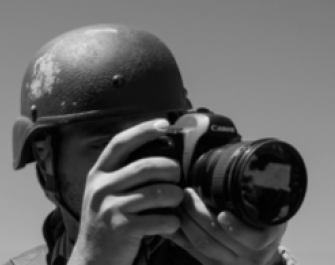
War/Peace reporting – Syria in the Global Media. (n.d.). Retrieved from http://eip.org/en/news-events/warpeace-reporting-syria-global-media
I want to delve into the important and necessary constructs of both war and peace journalism. These two aspects of reporting allow us as to humans to see genuine and undeniable facts as well as feel our emotions to the fullest extent due to a photograph.
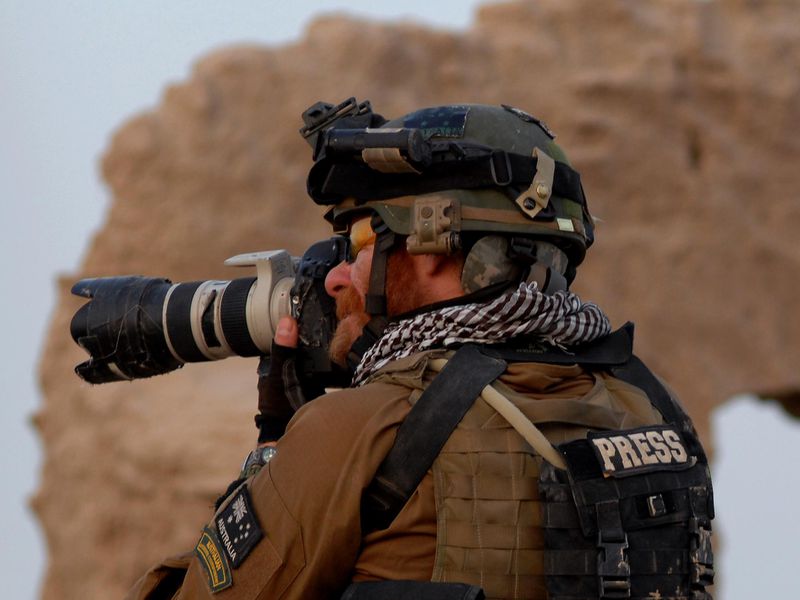
Blakemore, E. (2016, July 22). War Correspondents Are No Longer Spies in the Eyes of the Pentagon. Retrieved from https://www.smithsonianmag.com/smart-news/war-correspondents-are-no-longer-spies-eyes-pentagon-180959890/
War journalism is reporting characterized by “us vs. them” narratives that demonize them, the spreading of propaganda, and reporting that is victory oriented, reactive, and elite oriented that focuses only on the visible aspects of violence. War Journalism normally encompasses a lot violence. Violence is normally only presented as only it’s own cause, ignoring the possibility of structural or psychological causes. Violence is assumed to have no cause or explanation. This can be seen for example, in the deprived needs of certain parties. Conventional conflict reporting may lead viewers to believe that the only reasonable or “natural” way to respond to violence is with more violence. Sometimes more violence tends to be the only way that makes sense to people to react with more violence, like an unspoken language. With that being said, unfortunately non-violent responses can be considered irrelevant or unrealistic.
Galtung presents the differences between war journalism and peace journalism as two competing frames in the news coverage of conflict.
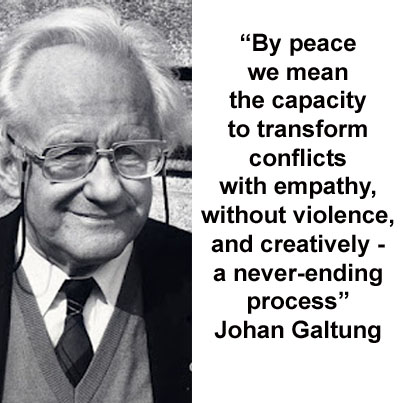
Johan Galtung’s Conflict Transformation Theory. (2015, October 21). Retrieved from https://arirusila.wordpress.com/2015/10/21/johan-galtungs-conflict-transformation-theory/
I want to discuss the concept of peace journalism and Johan Galtung’s work. Peace journalism is the opposite of war journalism. It is reporting that is proactive, humanizes the other side, gives voice to everyday people and allows discussions for solutions. Johan Galtung coined the term “peace journalism” in the 1970’s. He was a Norwegian peace researcher. Galtung believed that there is a bias towards violence, especially when covering topics of war and conflict. Galtung also said all bias can be avoided. He had an alternative approach for the mainstream news media’s reporting practices especially in times of conflict. Galtung also believed “journalists have to learn to write about peace and core structural issues and to focus on common people”. Galtung came up with four different elements of “newsworthiness criteria”.
Galtung also states that peace journalism is equivalent to solution indicative reporting. Meaning the main goal of peace journalism is to try to find a solution to these problems. Peace journalisms approach can be used to guide reporting about any type of conflict (politics, ethnic, civil unrest, religious, etc), and not just those that involve violence or war.
Today, conflicts such as those in the Middle East allow us to see how Galtung’s concepts and theories are used today. I came upon an article about the causes and consequences of the conflicts in the middle east. I found what I read to be solution seeking thus leading me to believe it is peace journalism. “While there have been encouraging recent signs of incipient diplomatic coordination between the US and Russia regarding Syria, given the magnitude of the crisis of sectarianism, much more must be done, particularly in light of the unabated tensions between Saudi Arabia and Iran. Indeed, not least for the sake of the welfare of their own citizens, the two Gulf states, as regional players, must be forced to the same table of negotiations.” The first element of peace journalism is applicable here. The first element states peace journalism is proactive, examining the causes of conflict, and leading discussions about solutions. This is applicable because they are clearly stating there needs to be something done.
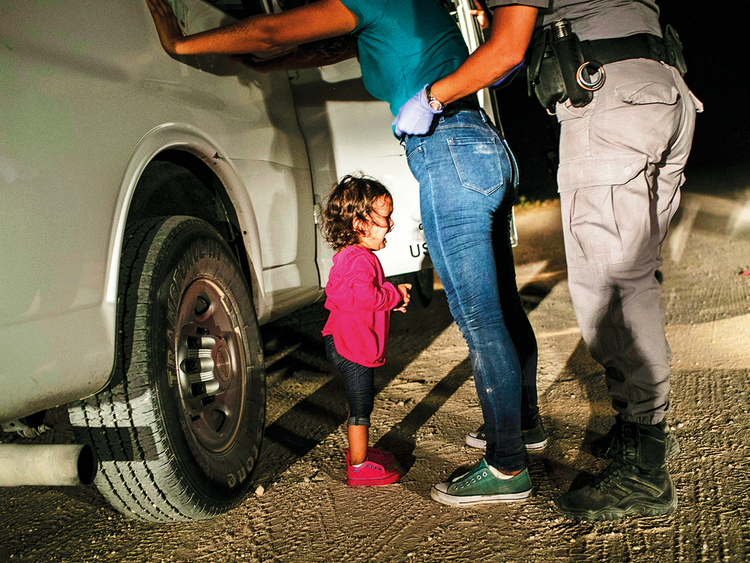
On June, 12, 2018 Honduran toddler and her mother are taken into custody by U.S. border officials. Yanela Sanchez the young girl photographed cries as her mother is searched by U.S. authorities. The mother and daughter pair were taken into custody in McAllen, Texas. Immigrant families were rafting across the Rio Grande from Mexico where they hoped they would be able to seek asylum in the United States but were then stopped and detained by the U.S authorities. Sandra Sanchez, Yanela’s mother said they had been traveling for a month through Central America and Mexico before reaching the United States. The Trump Administration had announced that there would be a “no tolerance” policy at the border. Meaning those caught trying to cross the border would be prosecuted as criminals. Even the mothers and children like Sandra and Yanela. Due to the actions of the Trump Administration many parents were separated from their children which is something I never thought I would live to see in The United States of America. As an American I can honestly say I am disgusted with the Trump Administration for creating policy’s such as these. I am embarrassed to be from a country where mothers are separated from their babies. This picture spoke a million words to me. I could see a story through the childs cry. She had been places and seen things no one, especially no young person should have to see or experience. Often times the parents and the children were actually sent to completely different detention centers, leaving them alone and without family. After this photo had been published the United States officials confirmed that Yanela and her mother had not been among those families separated.
John Moore the photographer of this picture is a senior staff photographer and special correspondent for Getty Images. He himself has photographed in 65 countries and on six different continents. Since his return to the United States in 2008 he has his attention on Border issues and continues to attempt to capture the genuine issues taking place. Moore is a well awarded photographer and won the world press photo of the year with his picture of Yanela and her mother at the border.
https://www.worldpressphoto.org/collection/photo/2019/38262/1/John-Moore-(2)
Yanela and her mother are not the only ones detained and almost separated at the American-Mexico border.
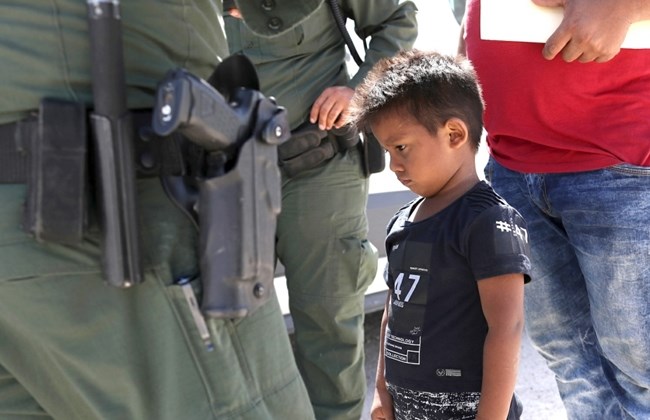
Press, A. T. (n.d.). Separation of parents, kids at U.S.-Mexico border: How the administration got here. Retrieved from https://www.dailystar.com.lb/News/World/2018/Jun-18/453514-separation-of-parents-kids-at-us-mexico-border-how-the-administration-got-here.ashx
My time in Barcelona has been captivating in many ways. Each day I find myself falling in love with a different aspect of the city, whether that be the culture, the food, or the art. With our class we explored the real Barcelona streets, finding out about how locals feel about certain issues, and learning where security in Barcelona started.
Our journey began in the Placa de Catalunya where our campus is. From there we walked and explored for about an hour and a half, taking in every single sight, smell, and noise we could.
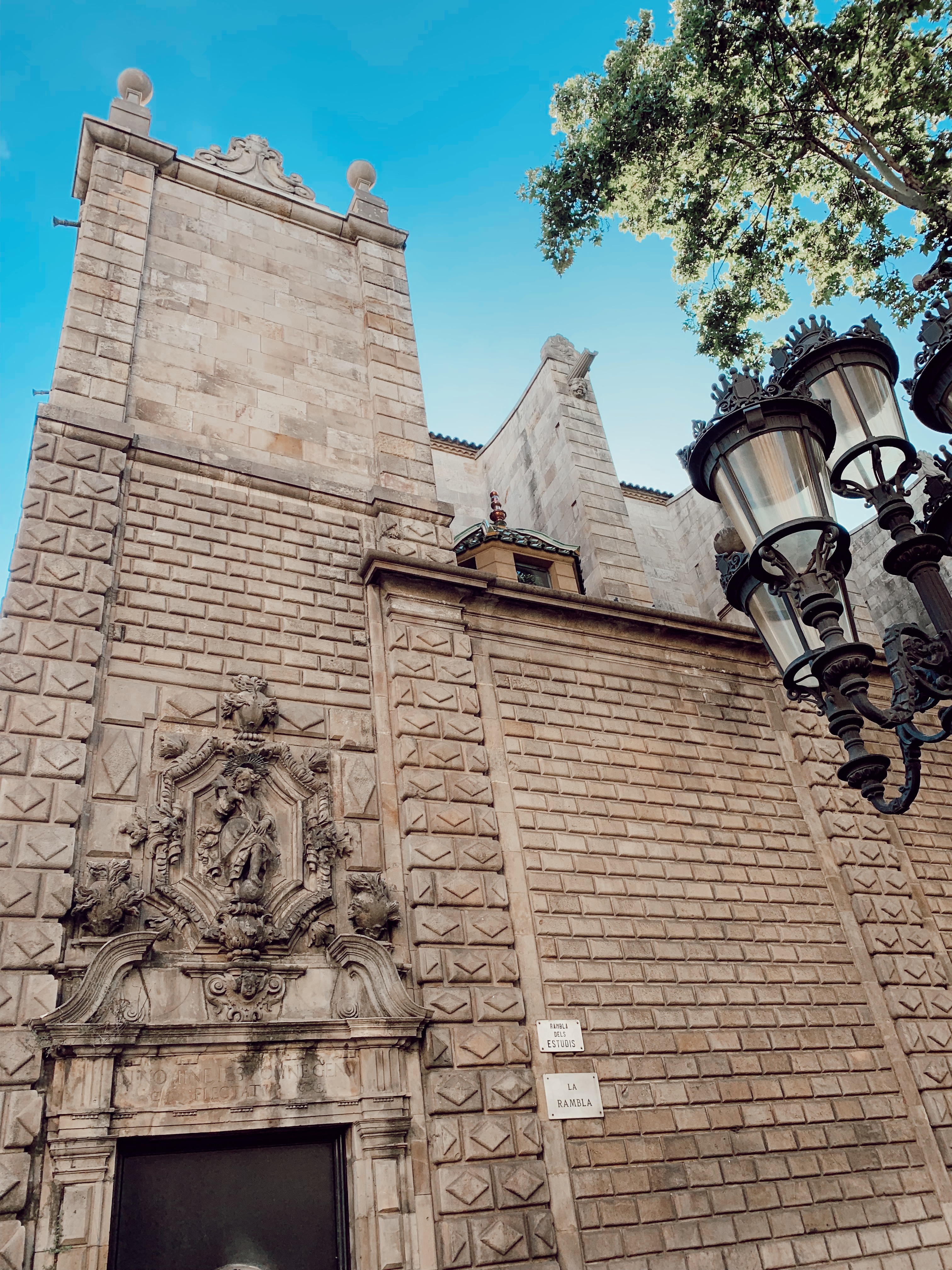
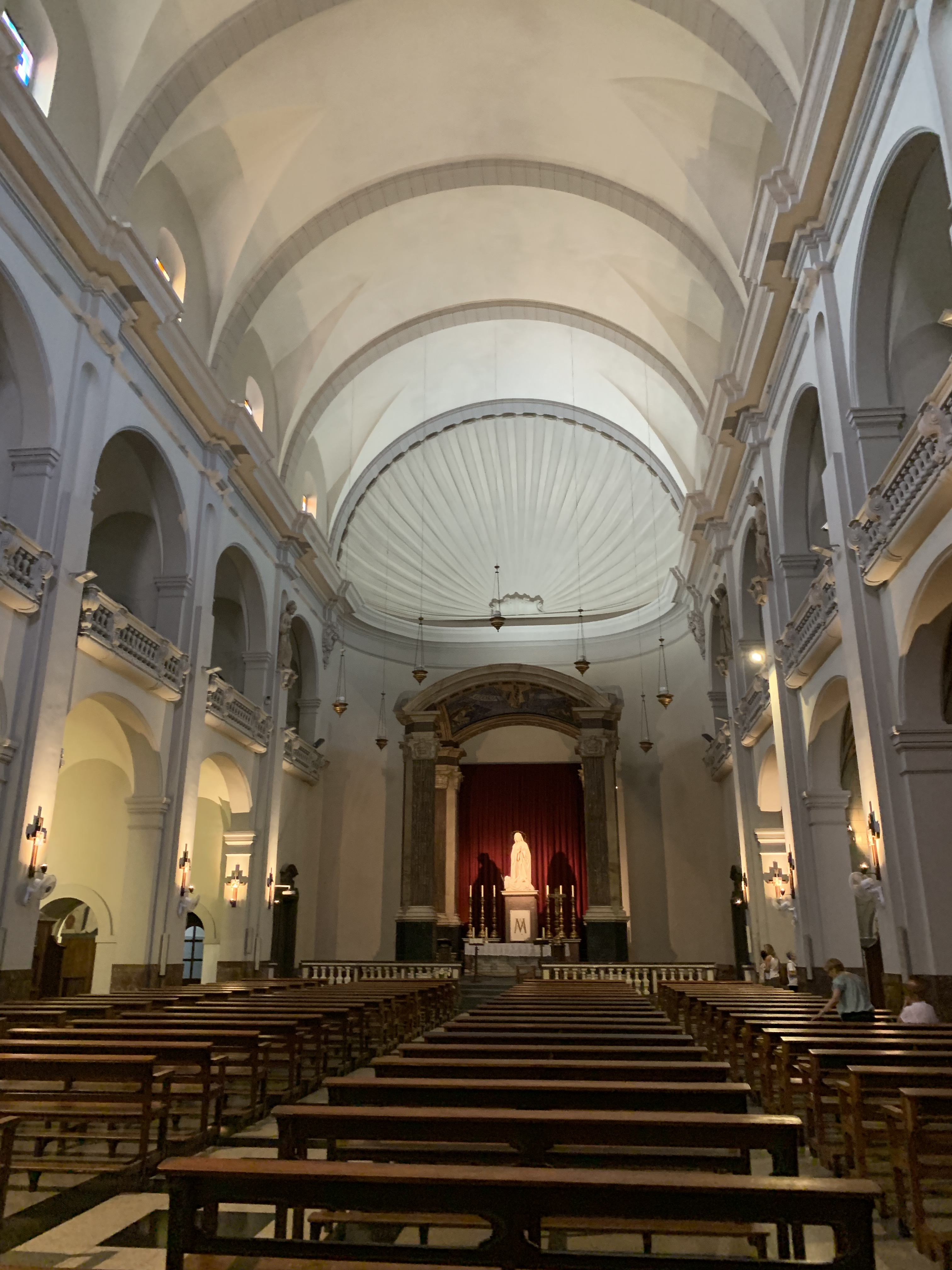
Las Ramblas was an absolute jaw dropper. I walked into this church and felt an immediate sense of peace and I had never seen such beautiful art inside a church. This church represents the beauty, history, and religious ties Barcelona has. The church brings positive attention to the city of Barcelona.
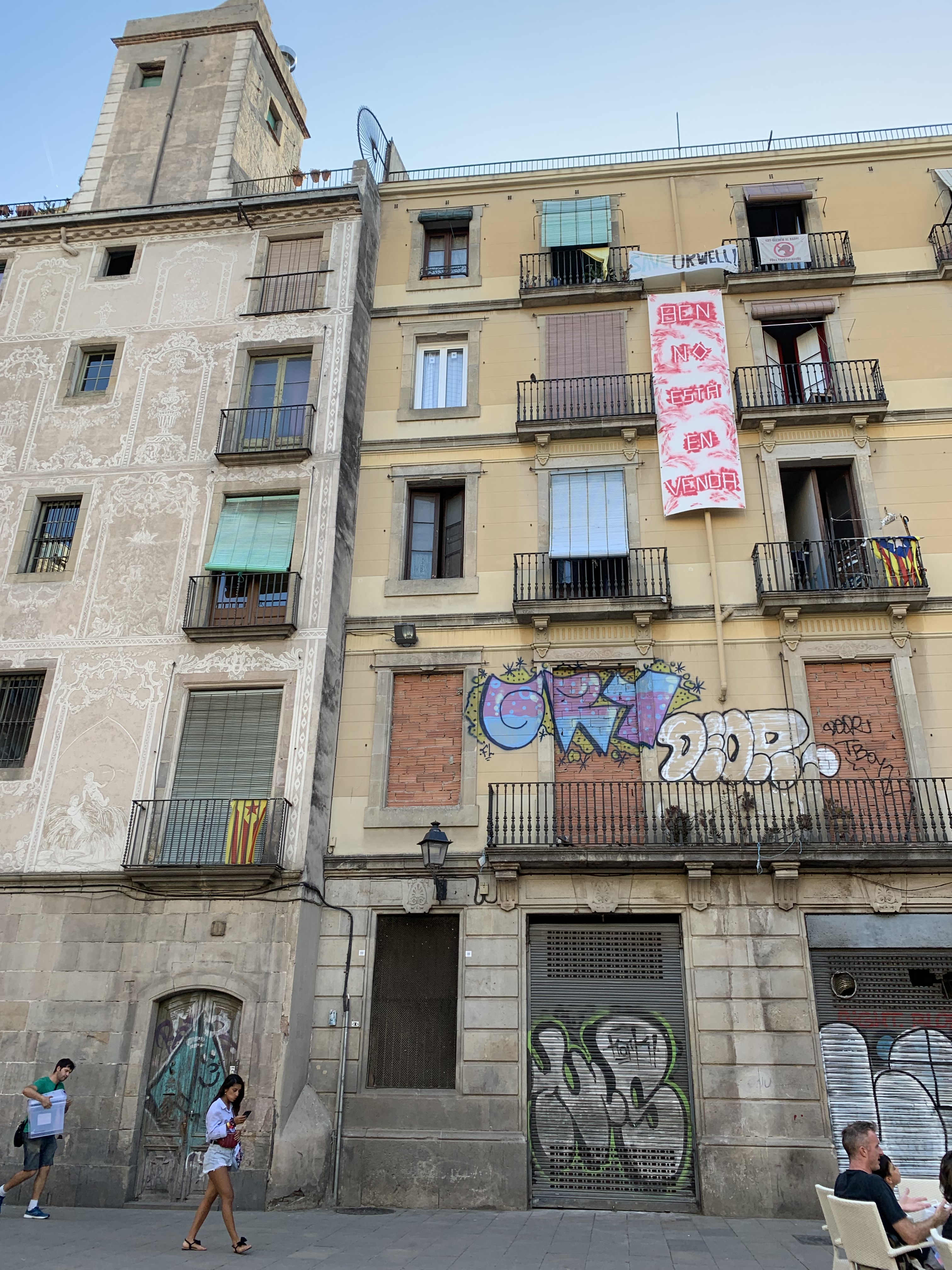
As soon as I saw this I knew I needed to use it. The banner reads “Barcelona is not for sale”. This banner is fighting the high rents and the amount of people buying properties for tourists to rent rather than ensuring the people who are native and already live in Barcelona have homes. This issue can put Barcelona in a more negative light because it brings attention to a problem that tourists, or locals in Barcelona may have not known about. It also shows that there is a problem in Barcelona when it comes to people finding affordable housing.
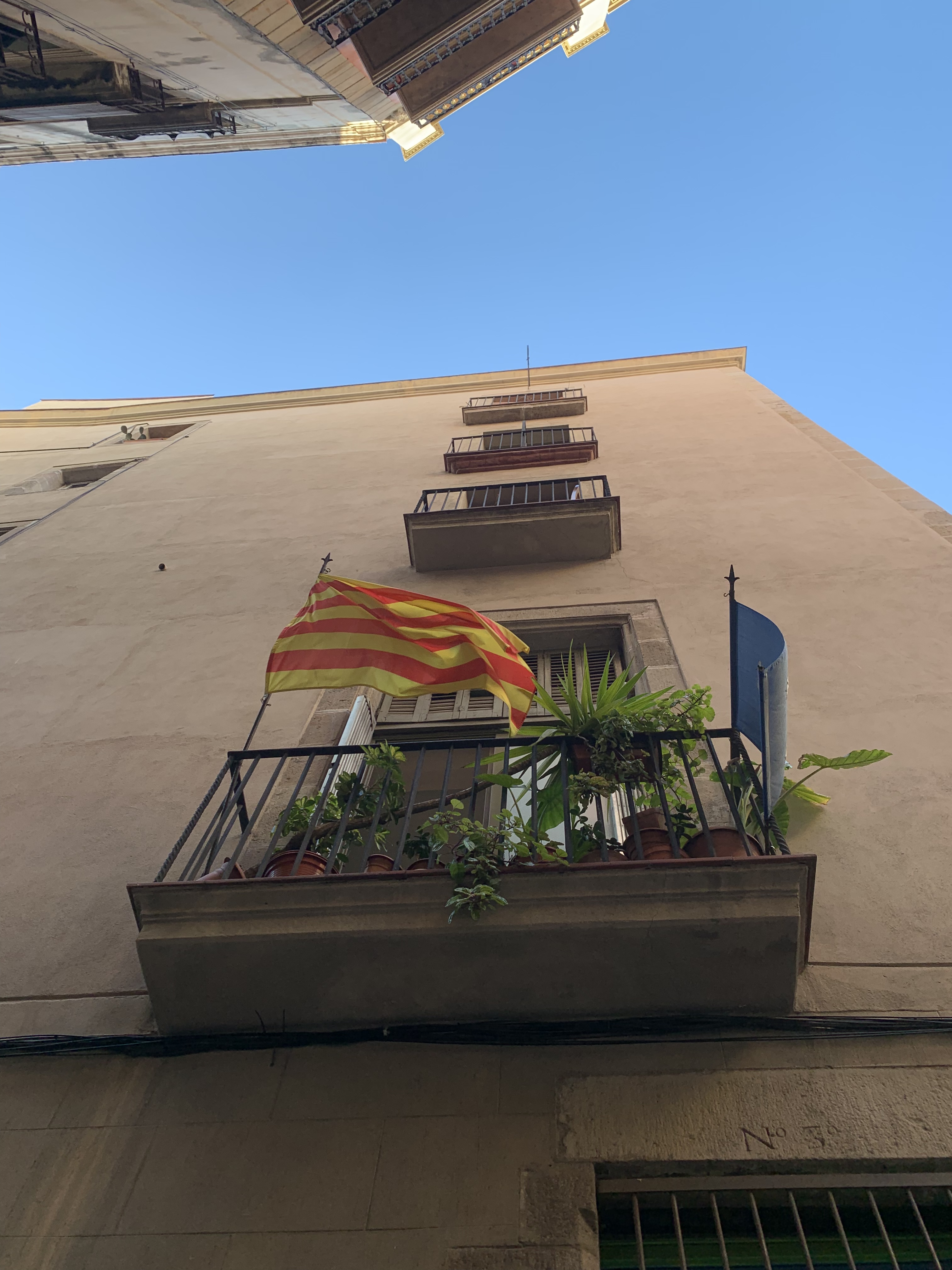
Prior to my coming to Spain I was unaware of what was going on in Barcelona with Catalonia and the Spanish government. I find what is happening to the Catalan people to be inhumane as they are simply trying to practice their human rights such as voting. I loved this picture I took simply because I think the flag looks beautiful in the wind. Wind makes me think of freedom and this flag, blowing in the wind demonstrated to me the freedom the Catalan people deserve.
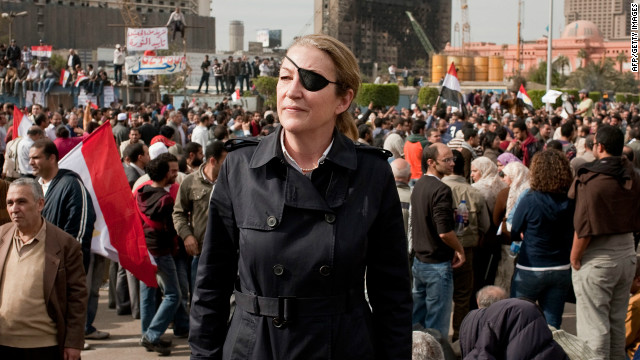
The importance of those who witness these horrors so we do not have to.
Marie Colvin was a world renowned American War Correspondent. Marie, spent her time as a foreign affairs correspondent working for the British newspaper the Sunday Times. Marie was an essential part of The Sunday Times from 1985, until the time of her death. Marie died doing what she loved, reporting for those who could not. She died in Syria while covering the siege of Homs. The siege of Homs was a military confrontation between the Syrian military and the Syrian opposition, that took place in the city of Homs as apart of the Syrian Civil War.
Spending her life and career specializing in the Middle East, Colvin also reported from areas such as Chechnya, Kosovo, Sierra Leone, Zimbabwe, Sri Lanka, and East Timor. During her time in East Timor she was credited with saving the lives of 1,500 women and children from a compound besieged by Indonesian-backed forces. She did so by refusing to abandon them, she stayed with a United Nations force, reporting in her newspaper and on television. They were evacuated after four days. Colvin then went onto win the International Women’s Media Foundation award for courage in journalism for her coverage of Kosovo and Chechnya.
Aside from all of this Marie Colvin also wrote and produced incredibly moving and necessary documentaries. These documentaries are Arafat: Behind the Myth, for BBC. She was a jack of a trades and she continues to inspire journalists and the world of journalism to come.
Not only did Marie Colvin lose her life doing what she loved but she also lost an eye. Marie was on site reporting in Sri Lanka. She was left blind as the result of a blast from a Sri-Lanken Army rocket-propelled grenade. This tragic event took place on April, 16th in 2001. This did not stop her though and she went on to continue her amazing work. She only added an eye patch as an accessory and there was no way she was going to leave people wondering.
Colvin’s legacy and work live on. She made her last broadcast from Homs before she died, on the evening of February 21, appearing on the BBC Channel, CNN, ITN News and News via satellite phones. She described scenes of horror to her viewers, or listeners by explaining the “merciless” shelling and sniper attacks against civilian buildings and people on the streets of Homs by Syrian forces. Colvin, told Anderson Cooper what she saw in Homs was the worst conflict she has ever been a witness to. Colvin passed away on February 22, alongside fellow photojournalist Remi Ochlik. An autopsy was conducted by the Syrian government, which showed Colvin’s death was caused by an “improvised explosive devise filled with nails”. The Syrian government claims the explosive device had to have been planted there by terrorists on the day of February 22. The two journalists were packing up their gear when they realized they were under attack.
The world needs journalists like Marie Colvin to report what needs to be reported. She took on excruciating mental and physical rolls in order to ensure that the public was receiving the necessary information. Marie changed the journalism game for the better and she also exemplified I sense of bravery and confidence that the world needs in dark, hard times.
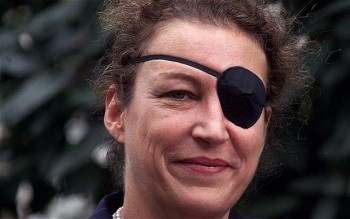
Source: Garcia-Navarro, Lulu. “A New Biography Of Marie Colvin, Eyewitness To War.” NPR. November 04, 2018. Accessed July 08, 2019. https://www.npr.org/2018/11/04/663571722/a-new-biography-of-marie-colvin-eyewitness-to-war?t=1562587299445.
Wikipedia is a free, multilingual online encyclopedia based on open collaboration through a wiki based editing system. Wikipedia is the largest and most popular general reference work on the internet. Founded on January, 15, 2001, Wikipedia is home to the mission of empowering and engaging people around the world to collect and develop educational content under a free license or in the public domain, and to disseminate it effectively and globally. Wikipedia has been under fire by academia for not having “citable” information on their site. Although according to the article: Wiki’s and Wikipedia as a Teaching Tool Five Years Later states “The advantages of using Wikipedia as a teaching tool, an activity that goes beyond a simple addition to the teaching repertoire, and allows contributing to our society through service learning and participation in an online community of practice is necessary”. Wikipedia is a free, multilingual online encyclopedia based on open collaboration through a wiki based editing system. Wikipedia is the largest and most popular general reference work on the internet. There are incredibly efficient ways to incorporate information from Wiki sources into research. The Wikimedia foundation shares a commitment to free knowledge and working together within all communities. Wikimedia foundation believes knowledge belongs to the world and is to be available to all regardless of any other factors.
While Wikipedia is continued to be seen as an unreliable source the Wikimedia foundation assures the public they are not being led astray with the information on their platforms. Wikipedia employs editors, and experts on topics to go in and ensure everything you are reading, no matter how niche the topic may be is as accurate as it can be. Wikipedia is a non-profit foundation meaning if you were to donate money to them it would go right back into the website rather than being used to pay the CEO. With all of that being said though Wikipedia is still running in to some accuracy issues. According to Comparison of Wikipedia and other Encyclopedias for Accuracy, Breadth, and Depth in Historical Articles, “The study did reveal inaccuracies in eight of the nine entries and exposed major flaws in at least two, of the nine wikipedia articles. Overall wikipedias accuracy rate was 80 percent accuracy compared with 95-96 percent accuracy within the other sources”. This was interesting to me because I was convinced wikipedia was fully citable and or useable but even with the knowledge of the wikipedia editors, I would still feel better double checking my wikipedia facts with another source.
Wikipedia is an online giant and the wikimedia foundation is not going anywhere anytime soon. Wikipedia will continue to expand minds, and disseminate knowledge in a free, empowering way for all. Regardless of individual opinion on Wikipedia, it is an idea that was well beyond it’s time when it came about in 2001. Wikipedia has allowed confidence, information, and ability to share and write into the lives of anyone who wants to which is truly empowering in so many ways. Empowering not only for the one individual writing the post, or reading it, it is empowering for the world to come together and work towards a common goal.
This trend has much to do with a country's ability or inability to get their public sector in tune with the Digital Era. #wikipedia
— Sapere aude (@BenjaminMikkel7) July 6, 2019
Konieczny, P. (2019). Wikis and Wikipedia as a teaching tool: Five years later. [online] Hal.archives-ouvertes.fr. Available at: https://hal.archives-ouvertes.fr/hal-01580963/ [Accessed 7 Jul. 2019].
Photo: En.wikipedia.org. (2019). Wikipedia. [online] Available at: https://en.wikipedia.org/wiki/Wikipedia#/media/File:Wikipedia-logo-v2.svg [Accessed 7 Jul. 2019].
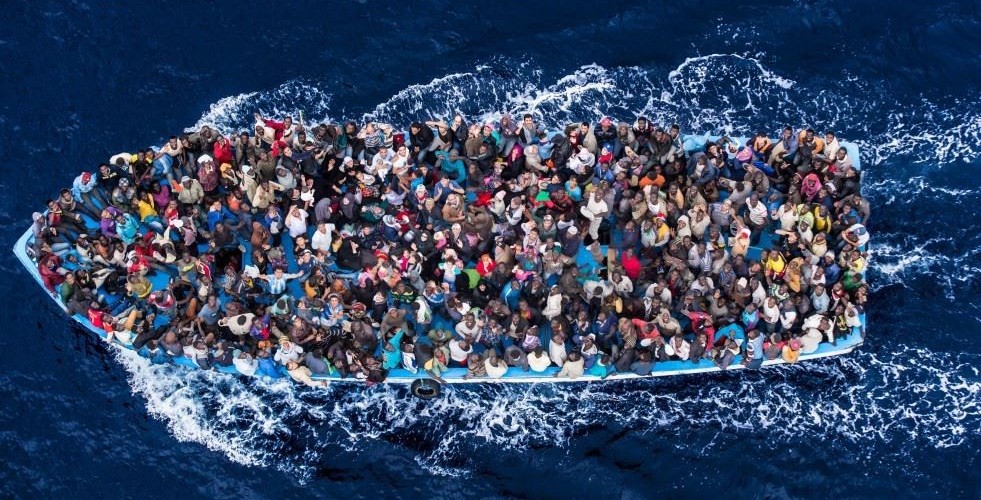
The Washington Post’s waypoint informed us greatly on the European Union Refugee Crisis. According to The Waypoint, “with land routes largely blocked more than one million refugees are forced to use boats to travel from the Turkish shores to seek asylum” (The Washington Post) in places like Greece. The boats made for only twenty are packed with fourty people or more. The journey is a long, hard one. People are dying in the sea and washing up on the shores of the surrounding countries. The smugglers who get them onto the boats and across the waters charge as much as $1,000 per person, charging even more for a life jacket. Often the asylum seekers spent the night in the forest without any food or any water. This is a waiting period for them, they are waiting for the smugglers to order them to the waters edge and take them to seek asylum. This is then the point the migrants are then sent on their way in the boats while the smugglers stay behind as their job is done. Once on the boats it is not all smooth sailing. Many face engine issues, or people who cannot swim being casted overboard. Rescuers are only given minutes to retrieve the people out of the cold, deep, deadly water. Many of the boats have been drifting through the sea for hours leaving their passengers wet and shivering. The most horrific detail is the fact that the boat ride for them was the best part. Even though yes still horrible they were so relieved to be leaving Syria. The amount of babies, and young children is astonishing. Watching the amount of suffering and the quantity of people enduring the suffering is gut wrenching. This is a problem that needs an immediate resolution as lives are being lost each day. Many items have been washed ashore and or left behind to dry where newcomers can be welcomed with a fresh, dry pair of shoes. Wallets, children’s toys, family photos, were all left behind. Once landed, it takes only minutes for the asylum seekers to get back on their feet and continue their journey. Once they arrive at the registration center they are then given a ticket and told to wait. They are waiting for an interview in which they are asked are you Syrian or Afgan? Are you traveling alone or with family? The way they answer these questions determines the course of their journey on the island. Thousands of people arrive to the island daily many of which do not a passport or an official form of Syrian identification. One camp is designated for families, and the other is for everyone else. Every new arrival has their fingerprints and photo taken and they are screened by national origin. The total combined capacity of these two particular camps is 2,800 people. In the fall however daily arrivals exceed 6,000 people. Some days the camps feel like ghost towns and other days they are overflowing with people. This depends on the pace of the arrivals which is nearly impossible to predict. Stays in camps can vary from being there for a few hours, to a few days. The refugee camps fill and empty quickly. Once emptied, the humanitarian crews come in and prepare the camp for the next round of arrivals. Once asylum seekers have been registered they are then given a document allowing them to move freely within Greece. Many of the people are not staying in Greece, they are going to wherever in Europe they either have family or can afford. The refugees arrive all on rubber dinghies and are then placed onto ferries that have normally been used for tourism but are now being used day and night to transport asylum seekers. From the mainland asylum seekers journey their way across Europe, through Greece, Macedonia, Croatia, Slovenia, and Austria.
The Waypoint: Journey alongside refugees through Lesbos, the gateway to a new life. (n.d.). Retrieved from https://www.washingtonpost.com/graphics/world/lesbos/
Berry, Inaki, Moore, & Kerry. (2016, February 11). Press coverage of the refugee and migrant crisis in the EU: A content analysis of five European countries. Retrieved from http://orca.cf.ac.uk/87078/
Photo From: Library Specials. (n.d.). Retrieved from https://www.peacepalacelibrary.nl/library-special/refugee-crisis-in-europe/
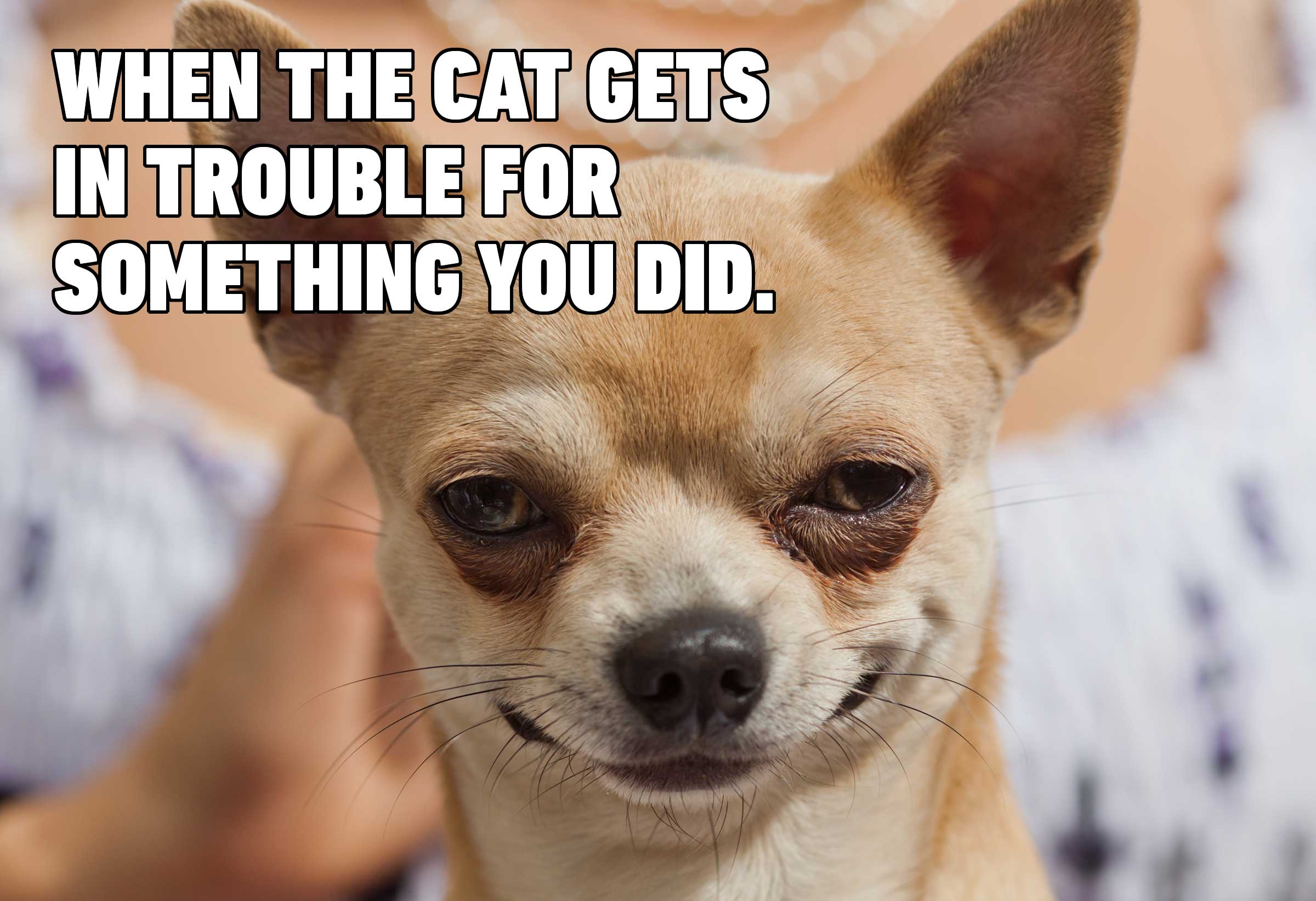
This is my absolute favorite meme because it is not only relatable to my pets but also to being a big sister. I feel the same as this dog when my little brother gets in trouble for something I did! This meme was created by Christian Mueller via Shutterstock. This is considered a “take the blame” meme. I think this is hilarious and can be used in more scenerios than just those of pets or even sibilings it can be applied to co-workers, classmates, roommates, almost anyone you have a relationship with. This meme also appeals to me because it is a dog meme and about a cat, both of which I am a huge fan. Personally I found this meme in Reader’s Digest as well as on Twitter and Facebook. The caption reads if you ever have had a furry friend these memes and captions will crack you up. These type of memes are very light hearted and used for simple laughter which I find myself enjoying everyday. I am a constant meme user and I find myself always going back to this meme. Whether it be sending it to my mom referring to our cat and dog playing or to my brother regarding our sibiling rivalries.
Memes such as this one really make their way around in my opinion because most people either like dogs, or cats, or both. Very few people dislike pets all together. This particular meme brings together the pet owning community allowing people to bond over a common known rivalry between dogs and cats. Even if you are not a pet owner but you have background knowledge on dogs and cats and how they get along this meme could still be enjoyable to you and applied to different situations not just ones about the dog getting away with getting the cat into trouble.
I use memes as a way to stay connected with my friends and those who share the same interests with me. For example I have specific people I shared this particular meme with. On the other hand I also have some people who I know would not enjoy this meme or find any humor in it. Meme creators just like anyone else need to be aware of their audience and who exactly they are trying to target with what meme. People have different tastes in anything content related, even memes. I find that the people I am closest friends with or live with also enjoy the same memes as I do. While those who may not be apart of my particular others don’t enjoy the same memes as I do.
In conclusion, I enjoy this meme because of the versitality and the humor involved. I feel as if it is light hearted yet still funny and amusing. It captures your attention without being forceful or offensive as some memes can be. This meme is just one of many pet, dog, cat memes but it is one that can be applied to different beings not only animals. I love animals and I love feeling connected to people through animals. I also love humor so this meme embodied two of my favorite things. If I were to create a meme I would aim for something such as this with a target audience such as this one. I feel as if they were aiming for a market as myself.

 Emily's Blog
